The obvious path to growth isn’t always the right one for your product. Burlap & Barrel has built a successful spice business by making some decidedly unconventional choices about where it sells, how it reaches consumers and what it refuses to compromise. Founder Ethan Frisch joins Sourcery founder Bhavna Kolakaluri, to dig into the creative ways brands can work around the realities of their products instead of forcing them into a growth model that doesn’t fit.You will learn:How to decide whether coveted retailers like Whole Foods and Trader Joe’s actually make sense for your businessHow to sell a product that’s difficult to sample through traditional in-store demosHow to make a premium product feel worth the money when consumers are watching their spendingHow to work around long production cycles using multiple sales channels and other operational strategiesHow changing something as simple as case-pack size can make your product work for smaller retailers
October 6, 202651 mins
When your product has several compelling benefits, which one should lead?Jous founders Nicolas Jeffery and Camilo Ortiz sit down with Chris Robb of Supernatural Ventures and The Angel Group to work through how to sharpen the story behind their magnesium-infused juice, make the product easier to understand, and build a stronger strategy for growth.You Will Learn:How to determine which of your product’s benefits should lead your positioningWhen a functional ingredient strengthens your story and when it complicates itHow to make an unfamiliar product immediately understandable to consumersHow positioning can change your competitive set, shelf placement, and growth opportunitiesHow to test whether your current brand story is actually driving trial and repeat purchase
September 29, 202647 mins
Every brand eventually changes something big — price, packaging, format, the category it sits in — and that puts existing distribution on the line. After raising its prices to match true production costs, Vermont Creamery walked away from an unprofitable Walmart relationship, then earned its way back into 400 stores. Tuyyo Foods fell off roughly 1,100 doors of shelf space after a merger brought a full rebrand and repackaging. Harrison Kahn, President and GM of Vermont Creamery, and Stephanie Garcia Turner, co-founder and CCO of Tuyyo Foods, break down how to make a major change and still get your retail partners to come along for the ride.You will learn:How to notify and prep retail buyers before a repackaging or UPC change, so your product doesn't quietly fall off shelfWhat to do when a retailer's promotional demands push your pricing below what your product actually costs to makeHow to build a compelling case for re-entry after leaving a retailer, including what data and proof points actually move a buyerHow to prioritize which retail partners and categories to carry forward after a merger or repositioning, instead of trying to keep everyoneWhat to do the moment a retailer signals your velocity is too low and discontinuation is on the table
September 22, 2026
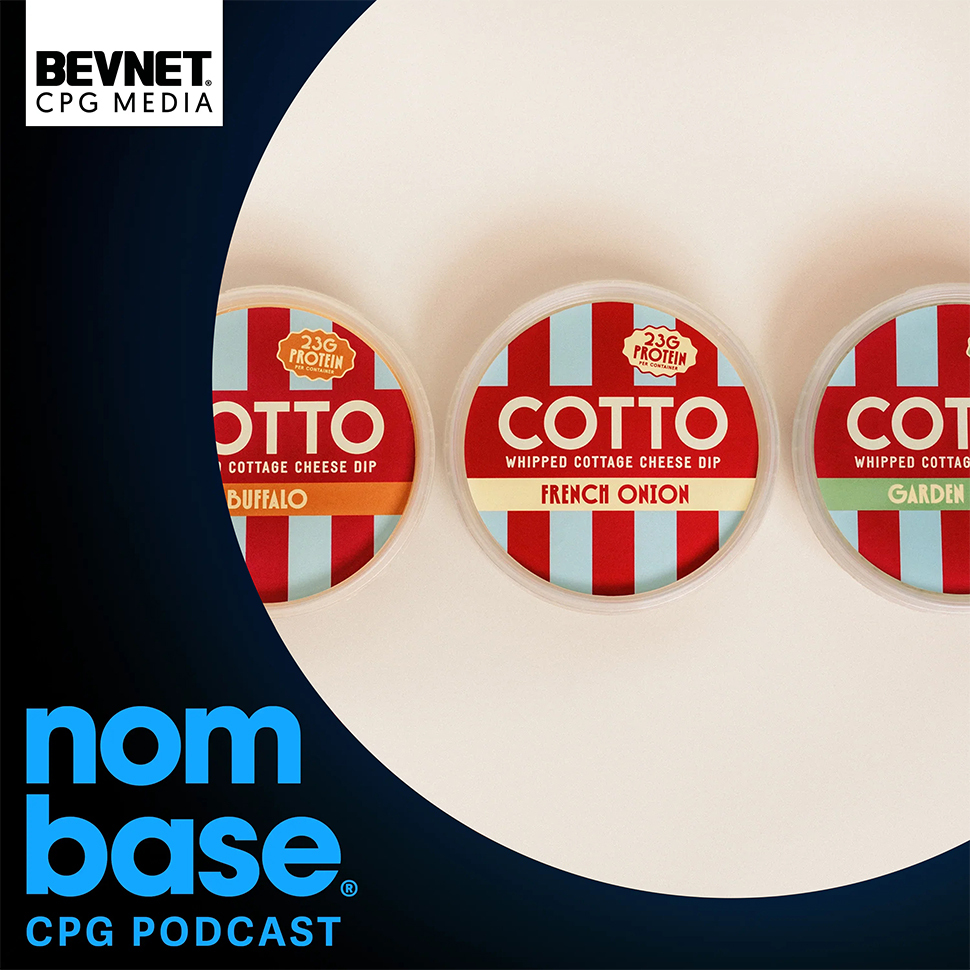
Kendall Kransdorf, founder of Cotto, a whipped cottage cheese dip, on a hero ingredient with a short shelf life and high demand - a combination that forces hard operational decisions. Mary Kate Kloeblen, a supply chain consultant and co-fouder of Golden Thread Operations, walks through where Cotto is actually losing shelf life (it's not always the formula) and what to fix instead.You will learn:How LTL refrigerated shipping can quietly eat days of usable shelf life before a product even reaches a warehouseHow to build formulation flexibility so a supply shortage on your hero ingredient doesn't stall productionWhen to move production closer to your distribution centers, and how colocation reduces both transit risk and quality issuesWhy GS1 rules mean even a small product change can force a new UPC, and how to avoid retail errors because of itHow to structure IP and manufacturing agreements during a tech transfer so you don't lose ownership of your own process
September 15, 2026